




1 hour listen made up of 17 tracks – DL & 20pp booklet
Touch V33.90
Releases 2nd January 2026
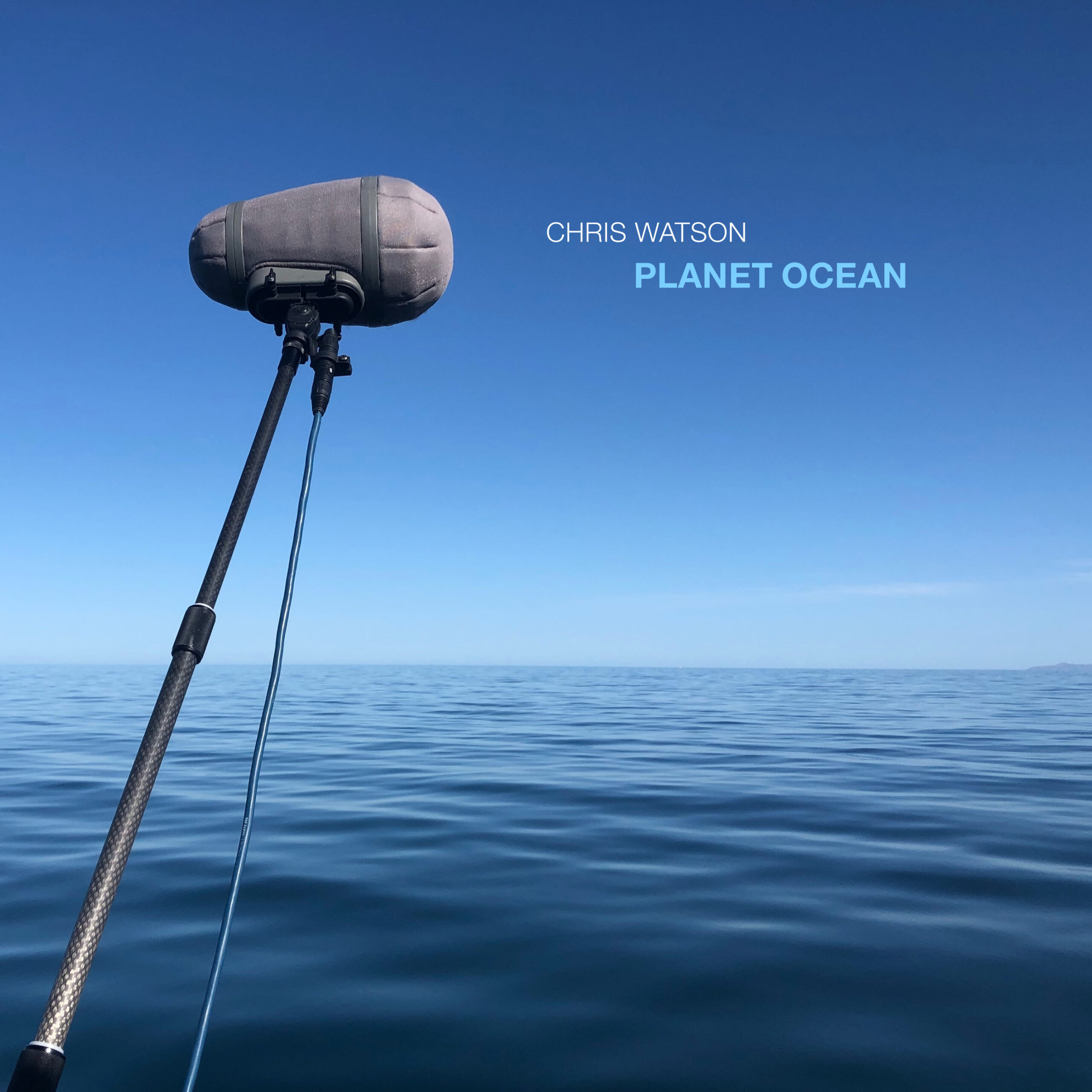
Planet Ocean – A new album from Chris Watson and a listening Party have just been announced DL & 20pp pdf booklet
Mastered By Simon Scott
Out Now: chriswatsonreleases.bandcamp.com/album/planet-ocean
In the late 1960’s the first colour photographs of earth taken from outer space revealed this to be a blue planet. It took images captured from 98,000 nautical miles away to trigger a new focus on environmental issues. This attention also revealed that more than 70% of this planet is occupied by the seas and oceans, the largest and most sound rich collection of habitats.
‘Planet Ocean’ is a celebration of the sounds, rhythms and textures of the oceans worldwide, a gathering of tidal voices pushed and pulled by gravitational forces from above and below the surface.
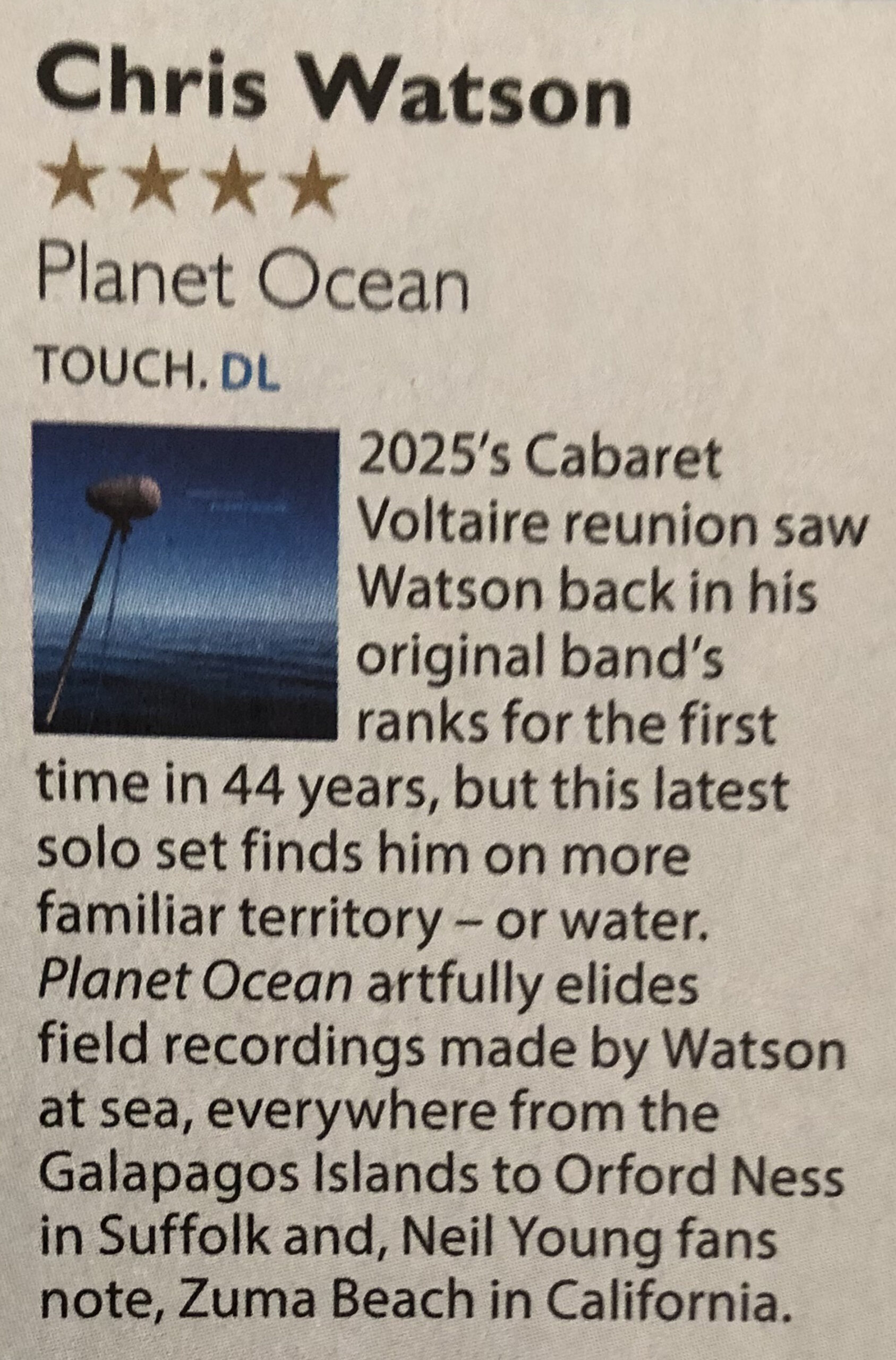
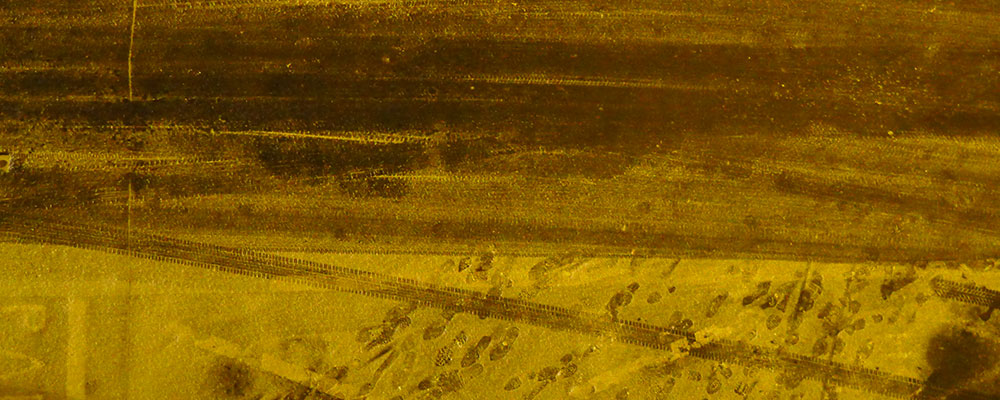
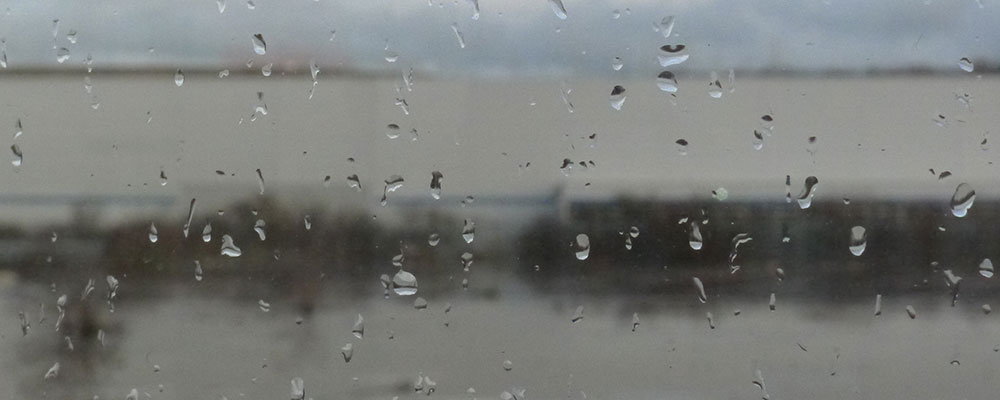
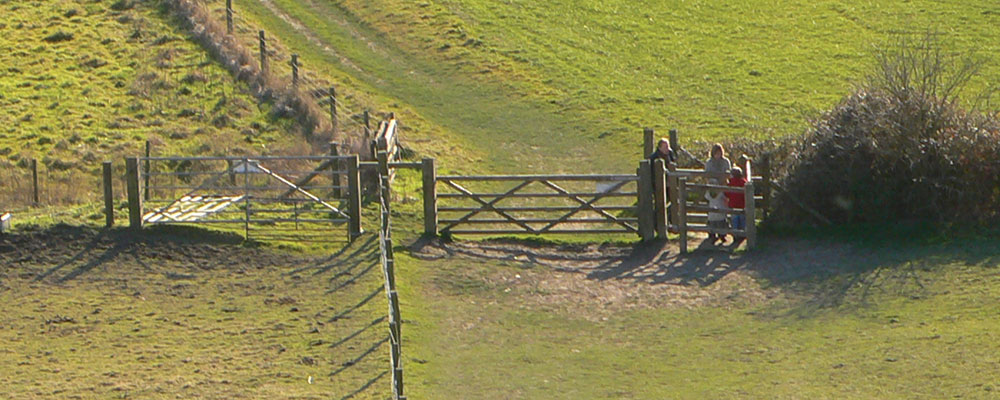
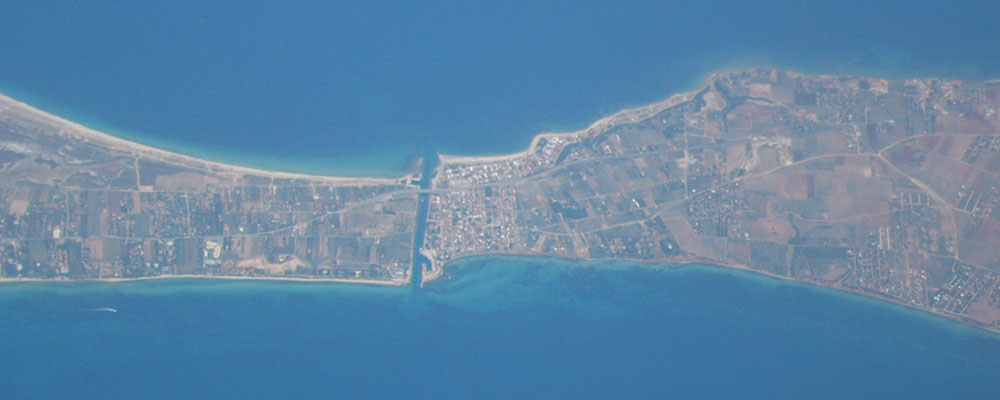
The photographs that complement ‘Planet Ocean’ are by circumstance land and water-based. They are intended as a parallel narrative to the sound recordings, deliberately 20 in number so as not to fit with any notion of pairing with a specific location. There is a chemistry between the close-up and the epic vistas together with personal moments at the margins by the water’s edge. That seductive and dreadful beauty – are you going in? – “no, it looks freezing!” – but actually the world is melting in front of our eyes.
Wave wash releases negative ions into the air and together with the associated sound they bestow a sense of well-being and stillness when faced by this awesome power. 57 years on from 1969 we need to remind ourselves of the ancient relationship we have with ‘Planet Ocean’. A place where we evolved from and which continues to support all life on earth and in the waters all around.
When writing of the evocative Planet Ocean, Chris Watson references the first color photographs taken of Earth from space. These images revealed a blue planet, whose surface was 70% water. Sixty years later, Watson hopes that sound will accomplish what sight did in the 1960s, raising new awareness of the value of our oceans and seas.
Not all water sounds alike. Sea level, oxygenation, temperature, latitude, aquatic life and pollution each have an effect. In like manner, different beaches possess different qualities, based on the rocks, the sand, and the creatures who live at the wrack line. While it’s easy to tell the difference between the crackling of ice and the crashing of waves, Watson invites listeners to delve deeper, to recognize the subtleties in timbre that distinguish the specific sounds of similar locations. On Bandcamp, the album unfolds as a single piece, with notes identifying the seventeen recording spots; on iTunes, the album is separated into seventeen tracks for immediate identification. Yet the artist is less interested in playing match-up (the accompanying photos are deliberately designed not to be paired with the sources) than in promoting water health as a whole. The variety is meant to dazzle, and it does.
The stereo effects are particularly effective; the opening seconds produce a three-dimensional effect that will continue throughout the album. This is Aldeburg Beach in Suffolk, England, where sea birds chatter above the waves: a combination of sounds familiar to general audiences. When the location changes to Iceland’s Arnastapi boulder beach, one can already hear the differences in the way the waves interact with the land; the foam seems lighter, the withdrawal of waves from boulders heavier. An aha! moment is produced as the focus shifts to a pier, as one can hear the creaking of wood and the retreat of stranded droplets.
The focus widens as the attention shifts to a coral reef in the South China Sea. Many coral reefs have been starved of oxygen, bleached or directly damaged as a result of human interference, from motorboats to climate change. These self-contained ecosystems play a critical role in the health of the sea and its residents; their deterioration has a ripple effect that will eventually include us. The same holds true for the two ice tracks, recorded at Ross Island, Antarctica and below the surface of the Arctic. How long will field recording artists be able to create ice tracks, and how far will they have to travel to do so? Already the ice is receding, subsumed by the sound of melt.
Watson’s recordings are engaging in their own right, but when connected to preservation issues, they speak with a collective, authoritative voice. Water itself is not endangered; but the form of water and the quality of water is determined by human action or inaction. 2026 marks the 30th anniversary of Watson’s first forays into field recordings on the Touch imprint, and his current work is more vital than ever. [Richard Allen]
Chris Watson can hear the difference between the Atlantic and Pacific Oceans. When his friend and colleague David Attenborough challenged him on this fact, he proved his point by making Attenborough a mix CD to compare recordings of them both. “I could certainly hear the difference between these two places,” Watson once told me, “and not necessarily just the Pacific or just the Atlantic.” There is perhaps no one more qualified, then, to record and remix the Earth’s oceans. Planet Ocean combines recordings that Watson made from Antarctica to Iceland and England to Borneo. Much more than waves lapping the shore, it features every permutation of aquatic habitat: kelp forests, coral reefs, icebergs, lava beaches. As seen from space, Watson reminds us, we live on an ocean planet, and Planet Ocean reveals the great variety of its soundscapes. Follow along with its tracklist and you, too, will be able to distinguish between the sounds of the Atlantic, the Pacific, and many more. [Matthew Blackwell]
Squatney District Council (UK):
‘Planet Ocean by Chris Watson is a single, hour‑long ocean sound journey that feels like a documentary without images, moving seamlessly from coasts to reefs and polar ice. It’s quiet, immersive, and best for deep, focused listening rather than casual background sound.’ [SA]
Philip Sherburne’s ‘Futurism Restated’ substack:
Years ago, when I was researching my sleep music article for Pitchfork, I learned that recordings of ocean waves do big numbers on streaming services. Spotify features dozens of “artists” with SEO-friendly names like Ocean Waves for Sleep, Ocean Waves Relaxation, and Ocean Waves Sleep Aid (not to mention the slightly more exotic-sounding Waves in Regression, Hidden Baltic Waves, Luxury Waves Secret Sounds, and Tailormade Ocean Waves), with individual play counts in the multiple millions. I doubt that’s what Chris Watson is going for here (though I would hardly be mad if tapping the insomniac market helped him to get that bag). Planet Ocean is a sort of supercut of the esteemed field recordist’s waterside work—a full-length sequel of sorts to 2019’s “Glastonbury Ocean Soundscape,” which played before Sir David Attenborough’s appearance at the Glastonbury festival that year.
But where that five-minute recording focused on the sounds of marine mammals like bearded and weddell seals, Planet Ocean keeps its mics trained on the ocean itself-rocks being swept back and forth in the tideline; the fizzing and clicking of a coral reef in the South China Sea; the staticky hiss of freezing pancake ice.
Animals occasionally make inevitable cameos, like the birds chattering atop rolling waves in the Galapagos Islands. Unlike Watson’s collages, these are standalone snapshots, individual sound images of specific places and phenomena, and approach that helps you appreciate the incredible variety of sounds created by such different circumstances. Though if you really, really wanted to, I’m sure you could also just put it on at a low volume and fall asleep to it.
MOJO (UK):